Ketamine and TMS clinics in Los Angeles.
Concierge psychiatry, privacy and the quality of the experience.
In Los Angeles there is effectively no stigma left around ketamine or TMS — which is a mixed blessing. Low stigma means high supply, and high supply means the gap between a serious psychiatric practice and a well-decorated infusion lounge is wide and hard to see from a website.
What separates the two is unglamorous: who screens you, who is in the room, and what happens in the week after a session. Those are the questions our standard asks.
Serving: Santa Monica · Beverly Hills · West Hollywood · Pasadena and the greater Los Angeles metro
Ketamine clinics in Los Angeles: what to know
Ketamine clinics in Los Angeles span everything from concierge psychiatry suites in Beverly Hills and Santa Monica to high-volume infusion centers. The concierge tier can be genuinely excellent — private rooms, physician-led dosing, real integration work — but a premium price and good interior design are not evidence of clinical rigor.
The questions to ask any ketamine clinic in LA: Who performs the medical screening, and does a psychiatrist review it? What is the dosing philosophy — fixed, weight-based, or titrated to response? And what structured support follows the infusion series? Clinics that answer crisply are the ones worth the premium.
TMS clinics in Los Angeles: what to know
TMS clinics in Los Angeles are dense along the Westside corridor — Santa Monica, Brentwood, Beverly Hills — and many offer accelerated protocols aimed at people who want a compressed treatment course. TMS is FDA-cleared for depression, involves no anesthesia, and fits a working schedule: sessions are typically under an hour with no downtime.
Because LA supply is high, differentiate on measurement: does the clinic track symptom scores every week, and will it show you your own trend line? Does it coordinate with your therapist? In a market this crowded, outcome tracking is the signal.
Vetted clinics in Los Angeles
1 clinic
How to judge a Los Angeles clinic
Ask any provider in the metro these seven questions — listed with us or not. The answers separate a psychiatric practice from an infusion vendor.
1. Board-certified medical director with psychiatric expertise
Someone who understands mood disorders as well as dosing — not an anesthesiologist moonlighting on weekends.
2. Comprehensive screening protocol
Cardiac, psychiatric, substance and medication history reviewed before anyone is accepted.
3. Integration support
Therapy, coaching or structured reflection built into the protocol — not sold as an optional add-on.
4. Transparent pricing
Full protocol cost quoted upfront, including consultation and maintenance assumptions.
5. Session environment
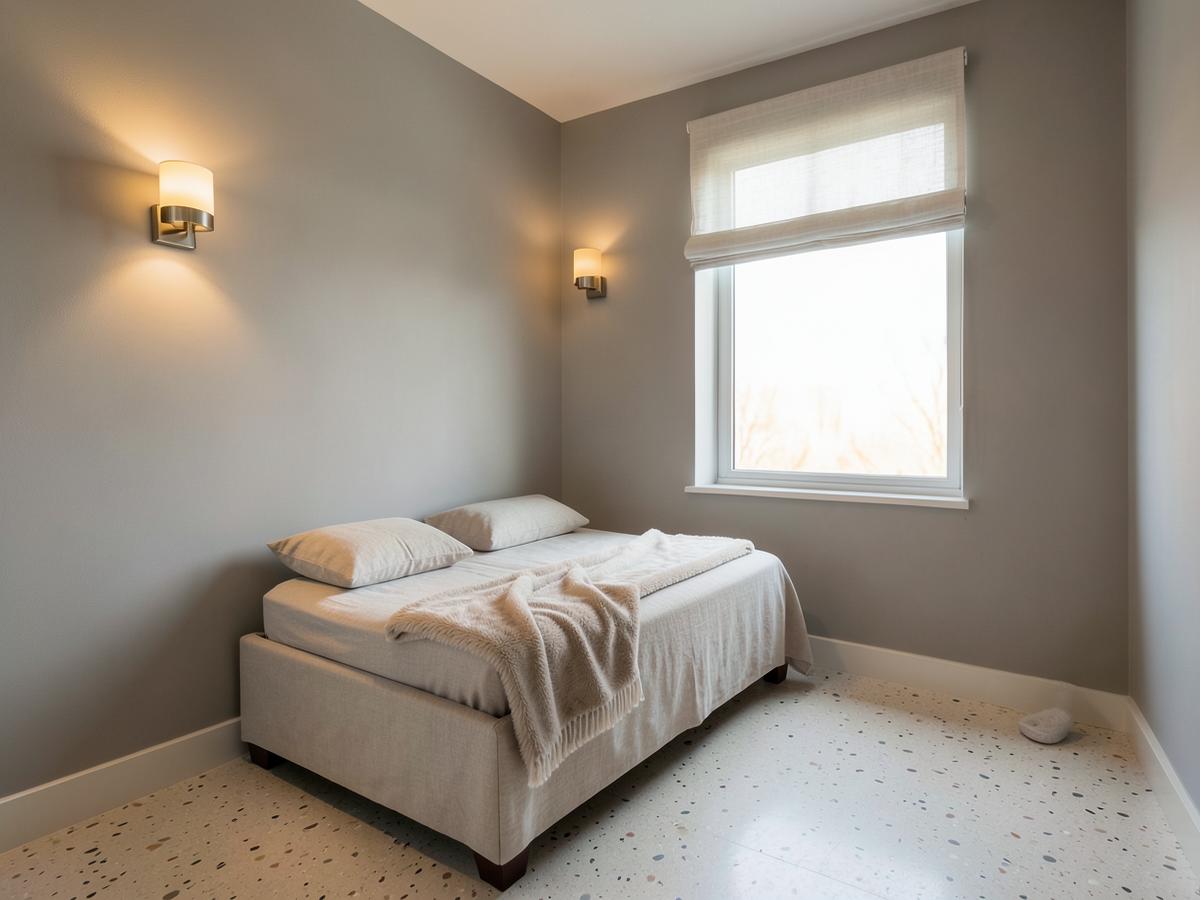
Calm, private, dignified. Sound, light and staffing designed with intent.
6. Outcome tracking
Validated measures taken before, during and after the protocol.
7. Personalized protocols
Dose, spacing and endpoints set against your goals — recovery, recalibration, or both.
Listings reflect what a clinic confirmed at the time of review and can change. This page is editorial assessment of process, not medical advice or a guarantee of outcomes.
Cornerstone guides
The full NeuroEdge library — from first search to confident decision. Every guide applies the same Provider Standard we use to vet Los Angeles clinics.
- The complete guide to ketamine therapy
- The complete guide to TMS therapy
- Ketamine therapy — the treatment overview
- TMS therapy — the treatment overview
- Treatment-resistant depression: your options
- Cost & insurance guide — what treatment really costs
- The Neuroplasticity Stack
- Centers of Excellence — 7/7 verified
Los Angeles ketamine & TMS FAQs
- How much do ketamine infusions cost in Los Angeles?
- LA pricing varies widely, from mid-market infusion centers to concierge suites that charge several times more per session. Price alone tells you little — ask what's included (screening, monitoring, integration sessions) and compare on that. Transparent, published pricing is one of the seven points in our Provider Standard.
- Is ketamine legal in Los Angeles?
- Yes. Ketamine is a legal, prescription medication administered off-label for depression and related conditions by licensed clinics throughout California. What varies is the quality of medical oversight, which is why screening standards matter more than availability.
- Can I do TMS while continuing to work?
- Yes — that's one of TMS's main advantages. Sessions involve no sedation and no recovery period, so most patients in Los Angeles schedule treatment before or after work. Standard courses run daily over several weeks; accelerated protocols compress this into fewer days at some clinics.
Other cities
Want a shortlist instead of a search?
Six questions, and we'll come back with the Los Angeles-area providers that fit your goals — recovery, recalibration, or performance.