Ketamine therapy: the complete guide to neural optimization and depression recovery
How ketamine actually works on the brain, what a serious protocol involves, what it costs, and how to tell an excellent provider from an average one.
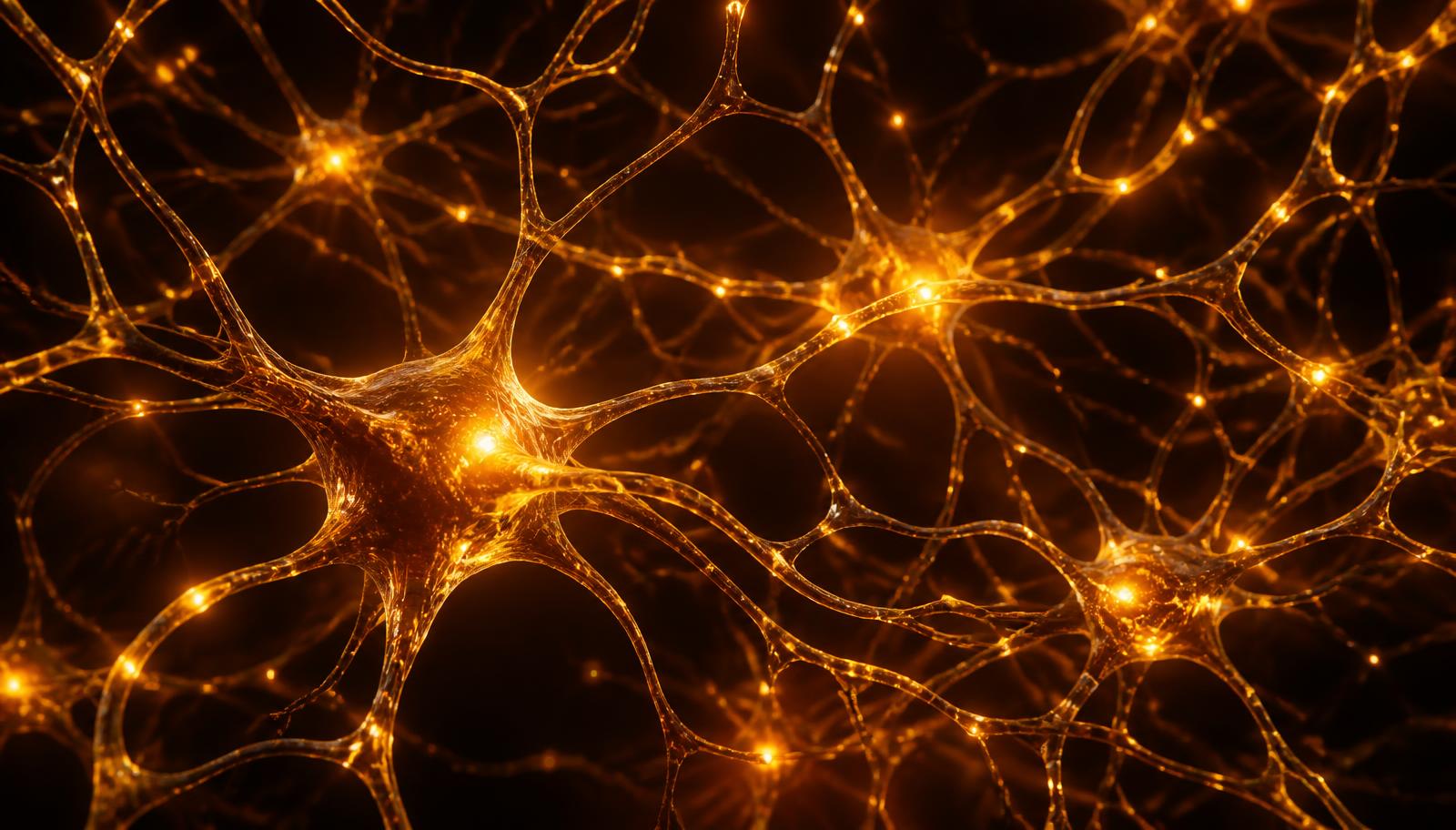
For decades we have treated mental health like plumbing — find what is broken, restore the flow. Neuroscience is quietly rewriting that model. The same molecule that is transforming depression recovery is now used by founders, clinicians, athletes and creatives to restore cognitive sharpness, emotional range and mental clarity.
This guide covers ketamine therapy end to end: the science of how it works, who it helps, what a well-designed protocol looks like, what it costs, and the criteria that separate a world-class provider from a storefront with an IV pole. It is written for two people at once — someone whose depression has outlasted two or three medications, and someone who is high-functioning but flat, depleted, and unwilling to accept that as a permanent operating state. The underlying neuroscience is the same for both.
Nothing here is medical advice. It is the briefing we wish existed before anyone spends five thousand dollars on a protocol they cannot evaluate.
From anesthetic to neural optimization tool: a brief history
Ketamine was synthesized in 1962 and approved by the FDA as an anesthetic in 1970. It spent the following half-century as one of the most widely used anesthetics on earth — on battlefields, in pediatric emergency rooms, in field hospitals without reliable oxygen supply — and sits on the World Health Organization's list of essential medicines. That history matters, because it means the molecule's safety profile at controlled doses is better characterized than almost anything else in psychiatry.
The second act began in the early 2000s, when researchers at Yale and the National Institute of Mental Health documented something no antidepressant had ever produced: a measurable lift in severe, treatment-resistant depression within hours of a single sub-anesthetic dose. In 2019 the FDA approved Spravato, an intranasal esketamine product — the first genuinely new mechanism approved for depression in more than three decades.
Today the applications run across a spectrum. At one end, treatment-resistant depression with a substantial evidence base. At the other, a fast-growing set of clinics working with high-functioning people on burnout, anhedonia and emotional flatness. Ketamine is not a trend and not a club drug. It is a rigorously studied molecule whose neuroscience we are finally catching up to.
Ketamine and neuroplasticity: how it actually works
Conventional antidepressants modulate serotonin. They work for a lot of people, they take four to eight weeks to show their hand, and the response is often partial. Their logic is chemical maintenance: keep a signalling system topped up and hope the system downstream reorganizes itself.
Ketamine operates somewhere else entirely — on the glutamate system, via NMDA receptor antagonism. The downstream consequence is what matters. Within hours of a dose the brain increases production of BDNF, brain-derived neurotrophic factor, and begins synaptogenesis: forming new connections between neurons, particularly in prefrontal regions that atrophy under chronic stress and depression.
The result is a window. For roughly 24 to 72 hours after a session, and to a lesser degree for weeks after a full series, the brain is measurably more plastic — more able to encode new patterns, unlearn entrenched ones, and reorganize around new inputs.
Ketamine does not suppress symptoms or chemically mask discomfort. It temporarily restores your brain's capacity to change. Whether you are recovering from depression or optimizing high-level performance, that is the same underlying mechanism: a brain that can adapt again.
This is also why the strongest predictor of a good outcome is rarely the dose. It is what you put into the window once it opens.
Who benefits from ketamine therapy?
Treatment-resistant depression
The clinical foundation and the most established use case. Across trials, response rates in people who have not responded to two or more antidepressants have repeatedly landed in the 60–70% range — extraordinary numbers in a population conventional psychiatry classifies as difficult. Response is not the same as remission, and durability depends on the full protocol rather than a single infusion.
Anxiety, PTSD and trauma recovery
A growing evidence base, and one where the pairing with integration work is most obviously decisive. The plastic window makes trauma-focused therapy more workable; the molecule alone does comparatively little for these presentations.
Ketamine for burnout, emotional flatness and anhedonia
Ketamine for burnout is one of the fastest-growing use cases in neurowellness — and one of the least rigorously studied, so it deserves honest framing. The presentation that brings most high performers through the door: functioning normally on paper, executing at a high level, and feeling almost nothing. Clinically this often maps to high-functioning depression or anhedonia, and it responds to the same neuroplastic mechanism. It is also the group most poorly served by conventional care, because nothing looks broken enough to trigger a serious intervention.
Ketamine for cognitive performance and recalibration
For some people, ketamine is not about recovering from a low — it is about restoring access to peak emotional and cognitive range after years of sustained load. Be precise about the evidence here: emerging research suggests the neuroplastic mechanism is not diagnosis-specific, but the controlled trial literature on healthy, high-functioning individuals is thin compared with the depression data. A good provider will say exactly that, out loud, before taking your money.
When ketamine is not the right protocol
Active substance use disorder, a history of psychosis or schizophrenia, uncontrolled hypertension and certain cardiac conditions, pregnancy, and some interacting medications. Screening exists to find these. A clinic that never turns anyone away is telling you something about its screening.
What a ketamine protocol actually looks like
The initial consultation
A real consultation is 45 to 90 minutes and covers medical history, psychiatric history, current medications, substance history and — the part most clinics skip — goals. Recovery, recalibration, or both are different protocols with different endpoints. This is the appointment where a serious provider decides whether to proceed.
The session experience
Forty to sixty minutes for a typical IV session, plus monitoring afterwards. The setting should be private, quiet and intentionally designed: eyeshades, curated audio, a chair you can actually recline in, a clinician in the room or immediately adjacent with continuous vitals monitoring.
The dissociative component is the part people fear and the part providers under-explain. At therapeutic doses, sense of time, body boundary and the usual narrative structure of thought loosen. Most people describe it as strange, absorbing and often meaningful rather than frightening. It resolves as the dose clears. Set and setting materially change how it lands, which is why environment is a clinical variable, not decor.
Integration: where the real work happens
This is the most underemphasized element in the entire category, and the single clearest marker of a serious clinic. Integration is the therapy, coaching or structured reflection that happens in the days after a session, while the plastic window is open — the point at which new patterns are unusually easy to lay down.
The session opens the door. Integration is what you do in the room.
Clinics that sell sessions alone are selling the door. Ketamine integration therapy — structured coaching or therapeutic work built into the protocol — is the strongest marker of a serious provider. Ask specifically: who provides integration, how many sessions are included, and when they are scheduled relative to dosing. We break the whole practice down — including how to read the Provider Standard through it — in What is integration therapy?
Typical protocol structure
A standard induction phase runs six sessions over two to three weeks. Maintenance follows as needed — commonly a booster every four to twelve weeks, guided by tracked measures rather than by the calendar. Everything above should be adjusted to your goals and your response. A protocol identical for every person walking in is not a protocol.
What does a high-quality protocol actually look like?
Get The Modern Ketamine Protocol — our framework for evaluating a provider before you book a consultation, plus the questions that separate excellent clinics from average ones.
Ketamine vs. traditional antidepressants: a new paradigm
This is not a case for abandoning conventional medication. SSRIs work well for a large number of people, they are cheap, and they are the right first line in many situations. The point is that ketamine is not a better version of the same idea — it is a different paradigm: episodic rather than daily, neuroplastic rather than modulatory, and dependent on integration rather than adherence.
| Antidepressants | Ketamine | |
|---|---|---|
| Mechanism | Serotonin modulation | Glutamate / NMDA / BDNF |
| Time to effect | 4–8 weeks | Hours to days |
| Daily dosing | Yes | No — protocol-based |
| Response in treatment-resistant cases | ~30% | 60–70%+ |
| Safety profile | Often chronic, ongoing | Acute, session-limited |
| Underlying frame | Maintenance | Recalibration |
If you are weighing ketamine against magnetic stimulation, read our full Ketamine vs. TMS comparison — mechanism, time course, cost, candidacy, and how the Provider Standard applies to both — alongside our overview of TMS as a performance protocol.
Neither one works in isolation. For where these protocols sit alongside sleep, training, meditation, heat and cold, read The Neuroplasticity Stack.
If you arrived here after two or more antidepressants came and went without lifting the weight, start with Treatment-Resistant Depression: Your Options When Antidepressants Fail — the honest map of every evidence-backed next step, compared side by side.
Safety, considerations and what to know
What to expect during a session
Mild to moderate dissociation, transient nausea (routinely pre-medicated), a temporary rise in blood pressure and heart rate, and perceptual shifts in vision and hearing. These are expected pharmacological effects in a monitored setting rather than complications, and they resolve within the session or shortly after. Most people need someone to drive them home and take the rest of the day lightly.
Long-term safety profile
Decades of anesthetic use give ketamine an unusually well-mapped safety record. The bladder and urinary concerns that appear in the literature are associated with high-frequency recreational use at doses far above clinical protocols, over long periods. Dependency risk in supervised, spaced clinical protocols is low. Risk profiles change with unsupervised at-home use, which is precisely where the category's regulatory attention is now focused.
What differentiates a safe provider
Medical screening with teeth, continuous on-site monitoring, psychiatric expertise in the room, integration built into the protocol, and clear emergency procedures. Those five things cost money to provide, which is the honest reason quality correlates with price in this category.
Investment and access
IV protocols typically run $400–$800 per session, putting a six-session induction at roughly $2,400–$4,800. Spravato, being FDA-approved, is frequently covered in part by insurance when treatment-resistance criteria are documented, though the certified-site requirement narrows where you can receive it. Many programs qualify for HSA and FSA spending.
IV ketamine is used off-label for mood conditions, which is the mechanical reason it is rarely reimbursed — and, indirectly, the reason the most thorough providers are cash-pay. Freed from reimbursement schedules, they can spend ninety minutes on intake and build integration into the price.
For most people the question is not whether they can afford it. It is whether the provider is delivering enough to justify the investment. Quality in this category varies enormously.
For a fuller cost breakdown by modality and city, see our ketamine treatment overview.
How to choose a world-class provider
We evaluate every clinic in our directory against seven criteria. We call it the NeuroEdge Provider Standard, and you can use it yourself on any clinic you are considering, listed with us or not.
- 1
Board-certified medical director with psychiatric expertise
Not an anesthesiologist moonlighting on weekends. Someone who understands mood disorders as well as dosing.
- 2
Comprehensive screening protocol
Cardiac history, psychiatric history, substance history, current medications. A quality provider will decline people.
- 3
Integration support
Therapy, coaching, or structured reflection built into the protocol — not sold as an optional add-on.
- 4
Transparent pricing
Full protocol cost quoted upfront, including consultation, sessions, and any maintenance assumptions.
- 5
Session environment
Calm, private, dignified. Sound, light, and staffing designed with intent, not a converted exam room.
- 6
Outcome tracking
Validated measures taken before, during, and after. If nobody is measuring, nobody knows if it worked.
- 7
Personalized protocols
Dose, spacing, and endpoints set against your goals — recovery, recalibration, or both.
If a clinic cannot answer all seven clearly on a first call, that is your answer. The practices that can are listed in our Centers of Excellence — verified on all seven, with no paid placement. If you run a practice that meets them, apply to be listed.
Find providers that meet the standard
Browse vetted ketamine providers in your city, or let us match you to the two or three that actually fit your goals.
Frequently asked questions
How quickly does ketamine therapy work?
Most people who respond notice a shift within hours to a few days of the first one or two sessions — a very different curve from conventional antidepressants, which typically need four to eight weeks. A protocol still runs its full induction phase, because durability comes from the series, not the single dose.
How long do effects of ketamine therapy last?
After a full induction series, benefit commonly holds for several weeks to a few months. Duration varies widely between individuals, and the people who hold gains longest are almost always the ones doing structured integration work between and after sessions.
Is ketamine therapy addictive?
In supervised clinical protocols with controlled dosing and spaced sessions, dependency risk is low. Risk rises sharply with frequent, self-directed, unsupervised use. This is one of the strongest arguments for a monitored setting over convenience-first models.
Can I do ketamine at home through telehealth?
At-home sublingual programs exist and are legal in much of the US, but they trade monitoring and screening depth for convenience. If you have cardiovascular considerations, a dissociation history, or complex psychiatric history, an in-clinic protocol is the safer path.
Who is a good candidate for ketamine therapy?
The strongest candidates fall into two groups: people with depression, anxiety, or PTSD that has not responded to conventional treatment, and high-functioning people whose presentation is burnout, anhedonia, or emotional flatness rather than a formal diagnosis. Good candidates share one trait: they are willing to pair the protocol with structured integration work. A quality provider will screen for cardiovascular, psychiatric, and substance history — and will decline people who are not a fit.
Will I lose control during a session?
No. At therapeutic doses you remain arousable and monitored throughout. The experience is best described as perceptual and dissociative rather than sedating — time, body sense, and thought structure feel altered, and it resolves as the dose clears.
Does insurance cover ketamine?
Spravato (esketamine) is FDA-approved and is often partially covered when criteria are met. IV ketamine is used off-label and is rarely covered, which is why the highest-touch providers tend to be cash-pay. Many programs are HSA/FSA eligible.
Can ketamine be used for performance, not just depression?
Emerging evidence suggests the neuroplastic window ketamine opens is not specific to a diagnosis. Clinics increasingly work with people whose presentation is burnout, anhedonia, or emotional flatness rather than major depression. This use is less studied than treatment-resistant depression, and should be described that way by any provider you speak with.
What's the difference between IV ketamine and Spravato?
IV ketamine gives precise dose control and is delivered as a racemic infusion, off-label. Spravato is an intranasal esketamine product with FDA approval for treatment-resistant depression and requires REMS-certified supervision. IV protocols are more flexible; Spravato is more reimbursable.
Sources
- National Institute of Mental Health — treatment-resistant depression
- Yale School of Medicine — ketamine mechanism research
- FDA — Spravato (esketamine) approval
- JAMA Psychiatry — clinical trial literature
- Nature Reviews Neuroscience — synaptogenesis and BDNF
- American Psychiatric Association — clinical guidance
- Mayo Clinic — ketamine and depression overview
- Cleveland Clinic — esketamine reference
- PubMed — BDNF and cognitive function literature
- PubMed — neuroplasticity windows and psychedelics (Carhart-Harris et al.)
The bottom line
Ketamine is not a cure and it is not a shortcut. It is a mechanism for temporarily restoring the brain's capacity to change, paired — when it is done properly — with structured work that uses that capacity. Whether you are recovering from a depression that conventional medicine has not touched, or carrying the cognitive cost of a decade of high performance, the neuroscience underneath is the same. The best neurowellness protocols are personal — built around your goals, your baseline, and the rest of your neuroplasticity stack. The provider gap is enormous.
Researching this while depleted is genuinely hard. That is why we built NeuroEdge — to make this part of the process faster, clearer and considerably more sophisticated.
Where would you like to go next?
Or get the next briefing by email, every other Tuesday.
Ketamine clinics by city
Ready to move from research to a shortlist? Our local guides cover ketamine and TMS providers, pricing, insurance and legality in every major market we cover.
This article is for informational and educational purposes only and does not constitute medical advice. Ketamine therapy is a medical intervention that should be pursued only under the supervision of qualified, licensed clinicians. Performance and optimization applications described here reflect emerging evidence and are less established than the use of ketamine in treatment-resistant depression.