TMS therapy, explained without the brochure.
Transcranial magnetic stimulation uses focused magnetic pulses to stimulate the parts of the brain involved in mood regulation. It's non-invasive, you stay awake, and you drive yourself home afterwards.
Session length
3–20 minutes
Typical course
20–36 sessions
Anaesthesia
None required
Typical cost
$6,000–$12,000 per course
What a session is actually like
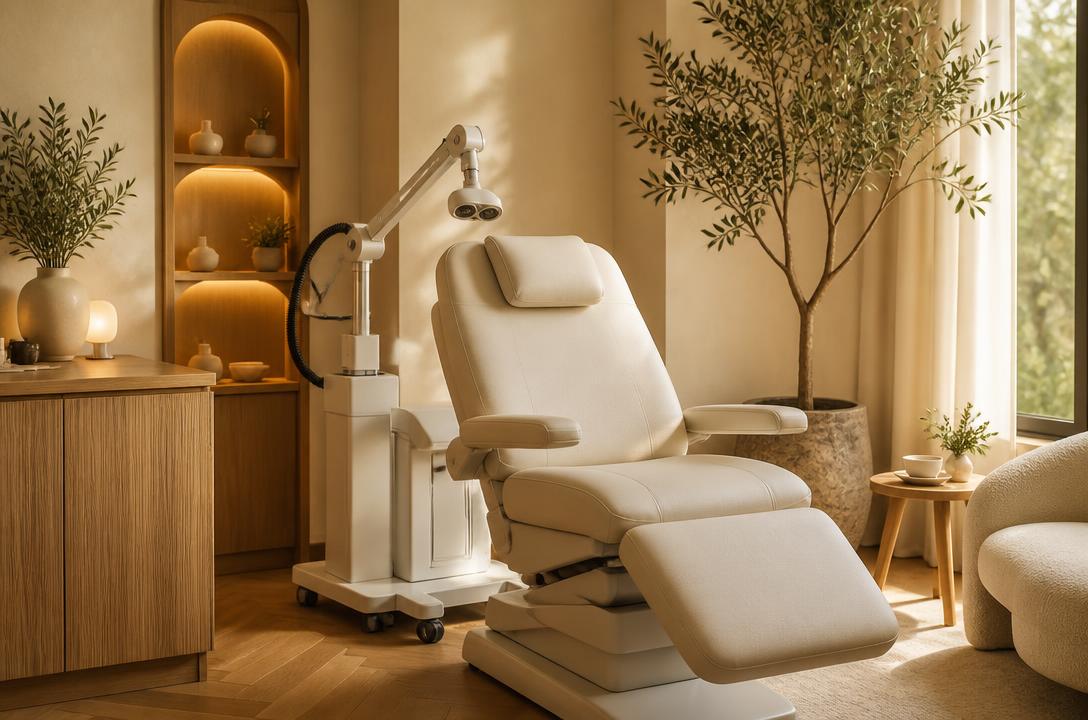
You sit in a reclining chair. A technician positions a coil against the left side of your scalp, then runs the pulse sequence — a firm tapping sensation, loud enough that you'll wear earplugs. Most people read or listen to something.
Your first appointment is longer, because the clinician maps your motor threshold: the pulse intensity needed to twitch your thumb. Everything after that is calibrated from that measurement.
Standard protocols run five days a week for four to six weeks. Accelerated and theta-burst protocols compress that considerably — worth asking about if travel is a problem.
Often a good fit if
- Two or more antidepressants haven't worked well enough
- You want to avoid or reduce medication side effects
- You can commit to daily visits for several weeks
- You have insurance that covers treatment-resistant depression
Worth pausing if
- You have metal implants or a device in or near your head
- You have a seizure history — rare, but it changes the risk calculus
- Daily travel for a month isn't realistic for your work or care duties
- You're paying out of pocket and haven't compared local pricing
Cost and insurance
Most major US insurers cover TMS for major depressive disorder once you've documented inadequate response to at least two antidepressant trials, usually with a specific set of forms. Self-pay courses commonly land between $6,000 and $12,000, and clinics differ widely on whether they offer package pricing. Ask about the per-session rate if you stop early — it's the single most useful question people forget.
Weighing TMS against ketamine and the other next-step options? Read Treatment-Resistant Depression: Your Options When Antidepressants Fail — all six evidence-backed paths compared side by side.
Find a TMS clinic near you.
Answer six questions and we'll point you to the practices that fit.
Get matchedThis page is general information, not medical advice. Treatment decisions should be made with a qualified clinician who knows your history.