Ketamine and TMS clinics in Seattle.
Tech burnout plus seasonal depression, stacked.
Seattle combines two pressures: a demanding tech economy and eight months of low light. Individually manageable, together they produce a flat, slowed baseline that people often mistake for personality.
TMS suits the winter here well; ketamine suits the cases where the drop is steeper and faster. Either way, a clinic should be measuring your baseline before it starts, not describing it back to you afterward.
Serving: Downtown · South Lake Union · Bellevue · Capitol Hill and the greater Seattle metro
Ketamine clinics in Seattle: what to know
Ketamine clinics in Seattle and Bellevue serve two overlapping populations: tech workers with burnout-adjacent depression, and anyone whose mood tracks the region's long gray season. Both groups tend to arrive data-literate and time-poor, and the better local practices respond with measured baselines, defined infusion series, and written integration plans.
For seasonal patterns specifically, ketamine's speed is the draw: a response in days to weeks rather than the SSRI's month-plus. Ask Seattle ketamine clinics how they screen, how they dose, and what maintenance planning looks like for a condition that reliably returns every November.
TMS clinics in Seattle: what to know
TMS clinics in Seattle are a natural fit for the climate problem: FDA-cleared for depression, daily sessions with no sedation, no downtime, and frequently insurance-covered in Washington when criteria are met. Starting a course in early autumn — before the light goes — is a strategy several local practices explicitly recommend.
For the Eastside tech population (Bellevue, Redmond, Kirkland), TMS's practical advantages matter: sessions fit before a workday, there are no cognitive side effects to hide in meetings, and progress is tracked numerically. Ask providers about early-morning slots and weekly symptom scoring.
Vetted clinics in Seattle
1 clinic
How to judge a Seattle clinic
Ask any provider in the metro these seven questions — listed with us or not. The answers separate a psychiatric practice from an infusion vendor.
1. Board-certified medical director with psychiatric expertise
Someone who understands mood disorders as well as dosing — not an anesthesiologist moonlighting on weekends.
2. Comprehensive screening protocol
Cardiac, psychiatric, substance and medication history reviewed before anyone is accepted.
3. Integration support
Therapy, coaching or structured reflection built into the protocol — not sold as an optional add-on.
4. Transparent pricing
Full protocol cost quoted upfront, including consultation and maintenance assumptions.
5. Session environment
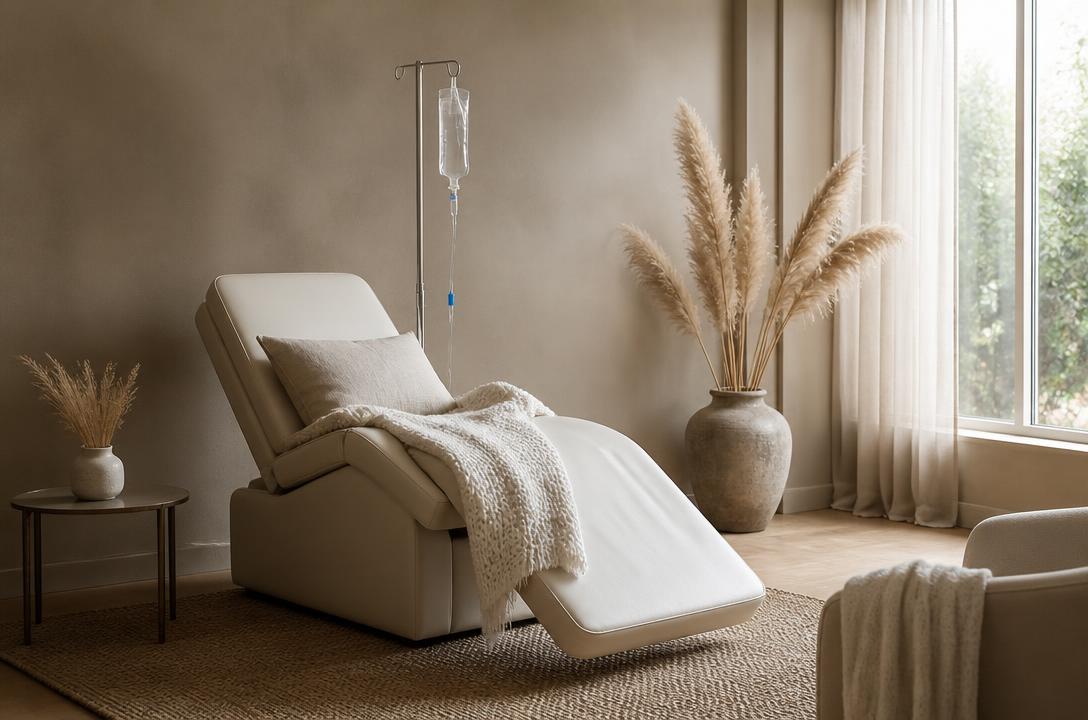
Calm, private, dignified. Sound, light and staffing designed with intent.
6. Outcome tracking
Validated measures taken before, during and after the protocol.
7. Personalized protocols
Dose, spacing and endpoints set against your goals — recovery, recalibration, or both.
Listings reflect what a clinic confirmed at the time of review and can change. This page is editorial assessment of process, not medical advice or a guarantee of outcomes.
Cornerstone guides
The full NeuroEdge library — from first search to confident decision. Every guide applies the same Provider Standard we use to vet Seattle clinics.
- The complete guide to ketamine therapy
- The complete guide to TMS therapy
- Ketamine therapy — the treatment overview
- TMS therapy — the treatment overview
- Treatment-resistant depression: your options
- Cost & insurance guide — what treatment really costs
- The Neuroplasticity Stack
- Centers of Excellence — 7/7 verified
Seattle ketamine & TMS FAQs
- Does TMS work for Seattle's seasonal depression pattern?
- TMS is FDA-cleared for major depressive disorder, and many Seattle-area patients with a strong seasonal component use it — ideally started in early autumn rather than mid-winter. Whether your pattern qualifies for treatment and insurance coverage is determined at screening.
- How much does ketamine therapy cost in Seattle?
- Seattle and Bellevue ketamine clinics price near big-city averages, sold as six-infusion induction series, generally cash-pay for depression. Ask for the full package price including screening and any integration sessions — included services vary widely between clinics.
- Can I do TMS while working full-time in tech?
- Yes — no sedation, no downtime, no cognitive impairment after sessions. Most Seattle-area TMS clinics offer early-morning scheduling specifically for this. Standard courses run daily for several weeks, so ask about scheduling flexibility before committing.
Other cities
Want a shortlist instead of a search?
Six questions, and we'll come back with the Seattle-area providers that fit your goals — recovery, recalibration, or performance.